Inherited homes · November 10, 2026 · 7 min read
Selling an inherited house in Arizona: beneficiary deeds, the $300,000 affidavit and probate
Published by BIMINIO Properties, a company that buys houses for cash in Florida and Arizona.
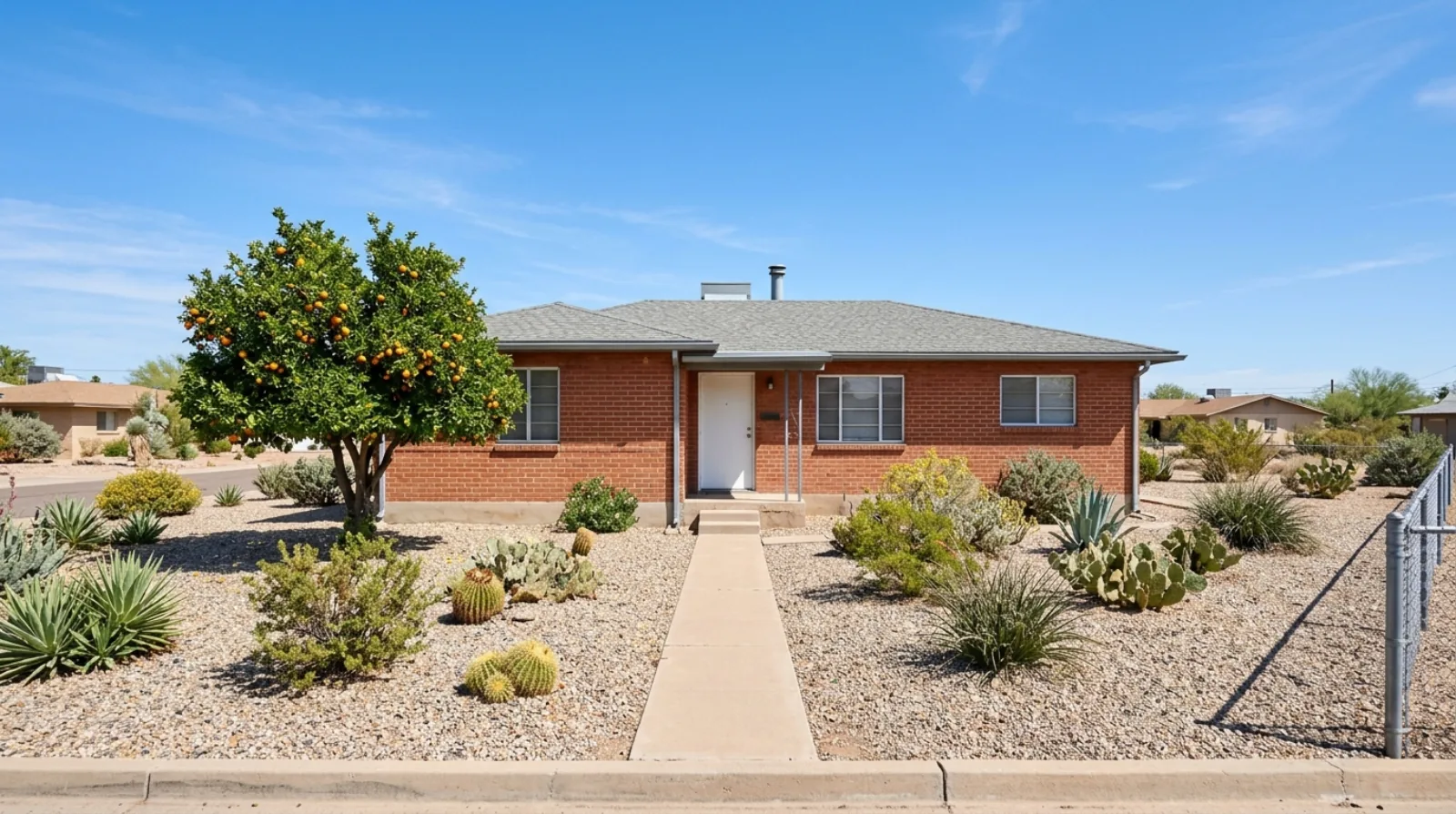
If you inherited a house in Phoenix, Glendale or anywhere in Arizona, the first question is how the title gets to you. The answer decides how soon you can sell. Arizona has three common paths: a beneficiary deed, a small estate affidavit, or probate.
Path 1: a beneficiary deed
An Arizona owner can record a beneficiary deed. Under Arizona Revised Statutes section 33-405, it names who gets the house and "transfers the interest to the designated grantee beneficiary effective on the death of the owner."
Points from section 33-405 that matter when you sell:
- The deed only works if it was recorded with the county recorder before the owner died.
- The house passes with every mortgage, deed of trust and lien the owner had. The loan does not go away.
- A later beneficiary deed recorded before death replaces an earlier one. A will does not undo a recorded beneficiary deed.
Search the county recorder's records for the address, or ask a title company to look. Tell the title company about the beneficiary deed at the start of a sale, and it will tell you what papers it needs.
More rules on beneficiary deeds
Section 33-405 answers other questions families ask:
- More than one beneficiary. A beneficiary deed can name several people, as joint tenants with right of survivorship, as tenants in common, or another form of ownership Arizona allows. Unless the deed says otherwise, the house is the separate property of the person who receives it.
- A backup beneficiary. The deed can name a successor beneficiary and must say when that person takes. If no named beneficiary outlives the owner and the deed has no other plan, the deed is void.
- Married or joint owners. When owners held the house as joint tenants with right of survivorship, or as community property with right of survivorship, the deed passes the house when the last surviving owner dies. The last surviving owner must have signed it.
- Changing it. The owner can revoke a beneficiary deed at any time by recording a revocation before death. The beneficiary does not have to sign or even be told during the owner's life.
If the house passes to several beneficiaries, all of them will need to sign a sale. Talk with each other early about price and timing.
Path 2: the affidavit of succession to real property
For smaller estates, section 14-3971(E) lets heirs take the house without opening probate. Every one of these must be true:
- No one has applied to be personal representative, and none has been appointed.
- The value of all Arizona real property in the estate, less liens and encumbrances, does not exceed $300,000. The value comes from the full cash value on the county assessment roll for the year the person died.
- At least 6 months have passed since the death, shown by a certified death certificate attached to the affidavit.
- Funeral costs, costs of the last illness and all unsecured debts have been paid.
- The people signing are entitled to the house, and no one else has a right to it.
- No federal estate tax is due.
The affidavit is filed with the court in the county where the person lived. The registrar issues a certified copy, which is then recorded in the county where the house is. After that, the heirs named in it can sell.
Because of the 6-month wait, plan to pay the costs of the house for at least that long.
Inherited a house in Arizona? A written cash offer comes within 24 hours, with the comparable sales we used. There is no cost and no obligation.
Path 3: probate
When neither path fits, a court appoints a personal representative. Section 14-3801 says the representative publishes a notice to creditors once a week for three weeks. Creditors then have 4 months after the first publication to present claims, or 60 days after a mailed notice to a known creditor, whichever is later.
The court process decides who can sign the deed. Ask an Arizona probate lawyer when a sale can close.
The 2-year limit to open probate
Arizona Revised Statutes section 14-3108 says an informal or formal probate, or the appointment of a personal representative, generally cannot be started more than 2 years after the death. The section lists exceptions. One of them allows a later case when no court case about the estate was started in those 2 years, but then the personal representative's power over estate property is limited to confirming who owns it, and creditor claims other than costs of the estate cannot be brought.
If the owner died more than 2 years ago and nothing was filed, ask a probate lawyer which path still works before you sign a sale contract.
Cars, bank accounts and belongings
A separate part of section 14-3971 covers personal property. Thirty days after the death, a successor can collect personal property, such as money owed to the person or belongings held by someone else, with an affidavit, if no personal representative has been appointed and the personal property in the estate, less liens, is worth $200,000 or less. The motor vehicle division transfers a car's title with the same affidavit.
Costs while you wait
- The mortgage, if there is one.
- Property taxes and homeowners insurance. Tell the insurer the owner has died and whether the house is empty.
- Power and water, especially in summer heat, to protect the house.
- HOA dues, if there is an association.
Selling the house
An inherited house may need work: an old roof, an old air conditioner, a full clean-out. You can repair and list, or sell as is.
A cash offer is below full market value, because the buyer pays for the repairs and the clean-out. In return, there are no showings, no repairs, and one closing date that heirs in other states can plan around. Compare both paths with the net proceeds calculator.
BIMINIO buys inherited houses in Phoenix and Glendale. You get a written offer within 24 hours, with the comparable sales we used, so every heir sees the same numbers. Leave behind what you do not want. A licensed title company handles the closing on the date you choose, from 7 to 35 days out, and we pay the closing costs. See our page for inherited houses and our Glendale page.
Thinking about selling? BIMINIO buys houses in Florida and Arizona as is. A written offer comes within 24 hours, and you pick the closing date.
Sources
- Arizona Revised Statutes, section 14-3971: affidavit of succession to real property, read November 8, 2026
- Arizona Revised Statutes, section 33-405: beneficiary deeds, read November 8, 2026
- Arizona Revised Statutes, section 14-3801: notice to creditors, read November 8, 2026
- Arizona Revised Statutes, section 14-3108: ultimate time limit for probate, read November 8, 2026
Situations this helps with
Guides
This post is general information. BIMINIO does not give legal, tax or financial advice.