Selling as is · November 12, 2026 · 6 min read
Selling a house with code violations in Florida: what you must tell the buyer
Published by BIMINIO Properties, a company that buys houses for cash in Florida and Arizona.
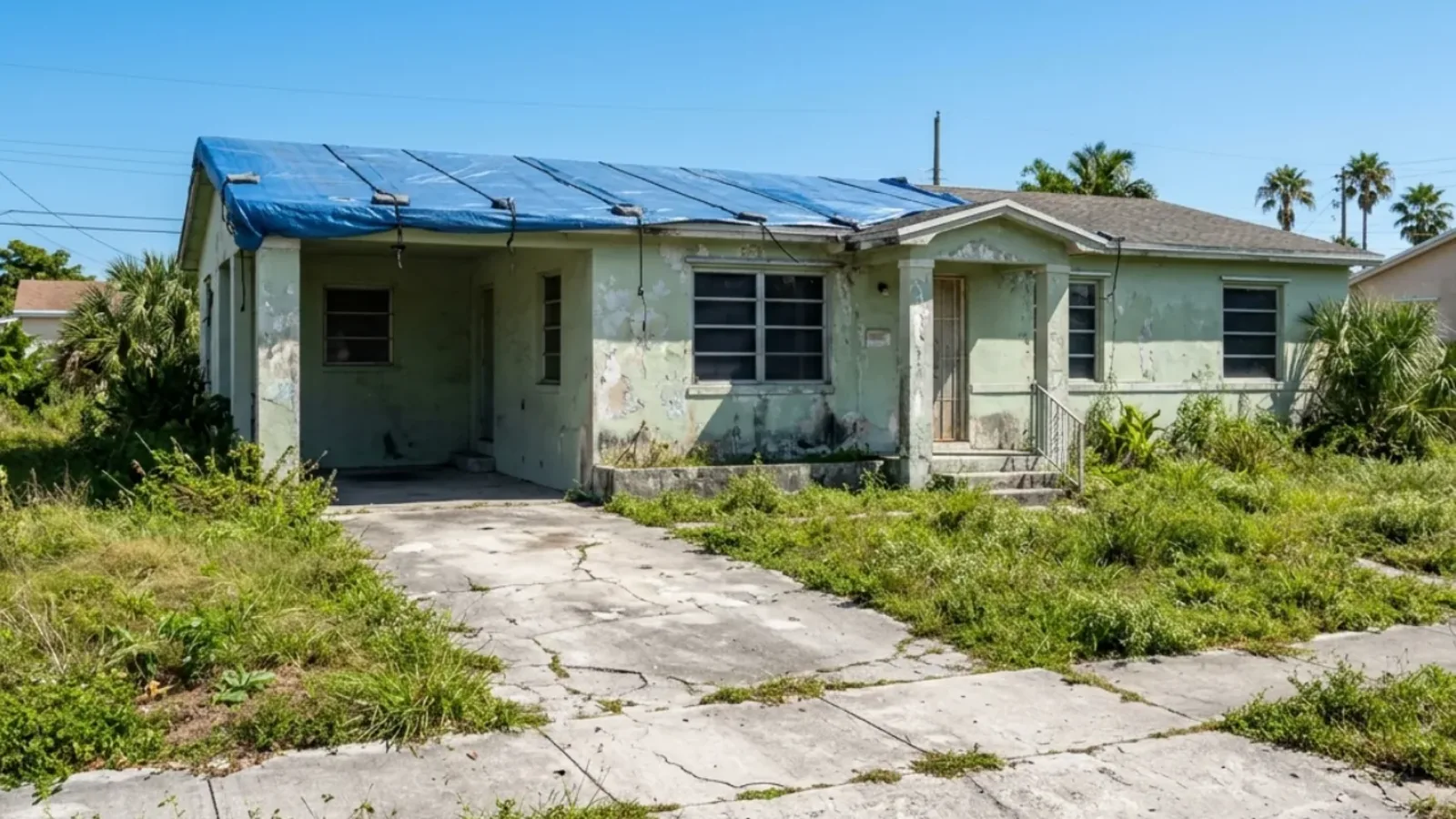
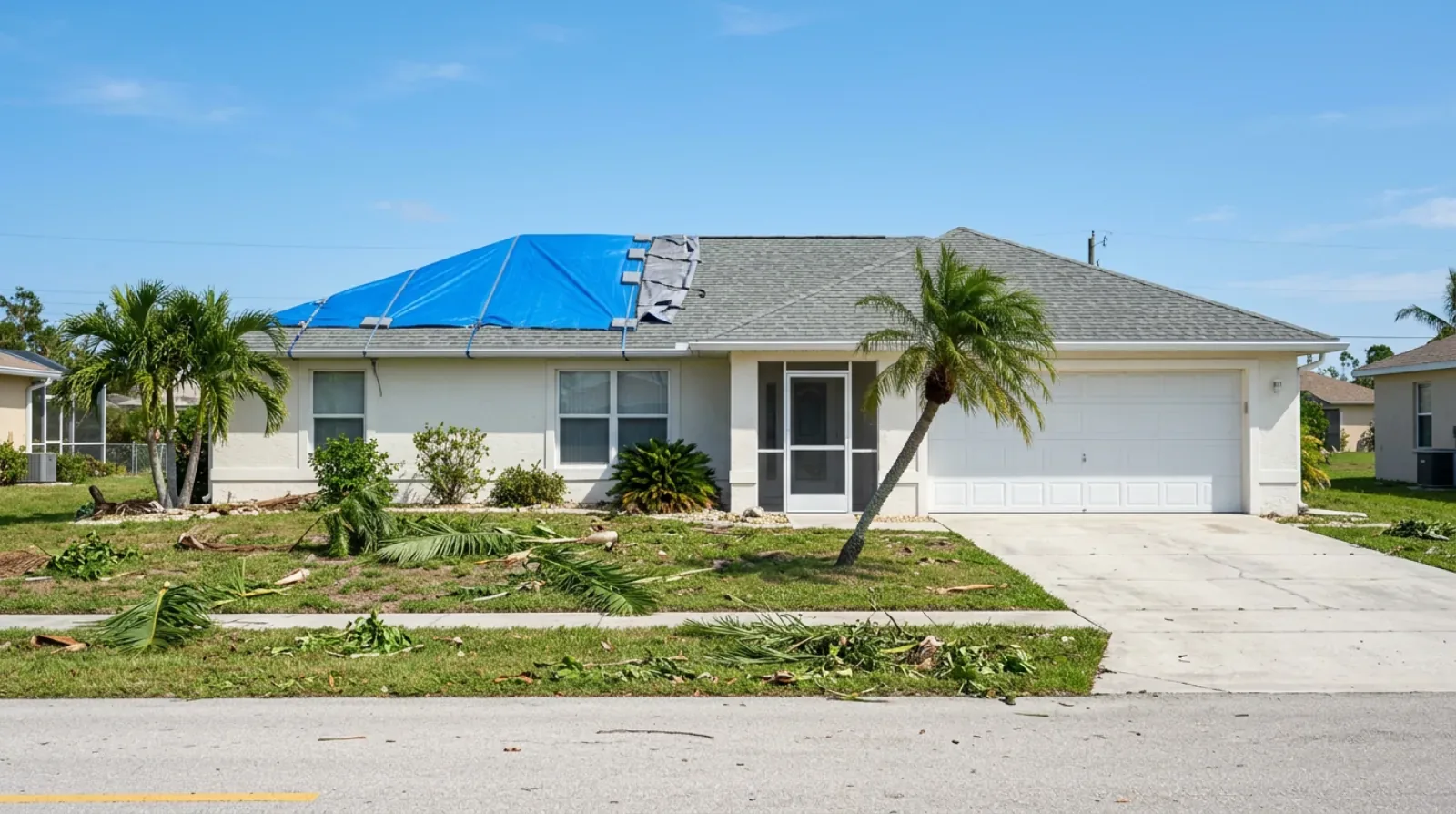
An unpermitted addition, a broken fence, a roof under a tarp, an overgrown yard. Any of these can bring a letter from the city or county code office. If the case is still open when you sell, Florida law sets out what you must tell the buyer and the code office.
How a code case works in Florida
Under Florida Statutes section 162.06, a code inspector who finds a violation notifies the owner and gives a reasonable time to fix it. If it is not fixed, the inspector asks the code enforcement board for a hearing. A repeat violation can go straight to a hearing. A violation that is a serious threat to health or safety can be sent to the board right away.
If the board finds the order was not followed, section 162.09 lets it fine the owner for each day the violation continues.
The fines
| Case | Daily limit in section 162.09 |
|---|---|
| First violation | Up to $250 a day |
| Repeat violation | Up to $500 a day |
| Violation found irreparable or irreversible | Up to $5,000 per violation |
| County or city of 50,000+ people with a higher-limit ordinance | Up to $1,000 a day (first), $5,000 a day (repeat), $15,000 per violation (irreparable) |
The board may also add the cost of repairs the local government made. A recorded fine order becomes a lien on the property and on other property the violator owns. The fine "shall continue to accrue until the violator comes into compliance" or a judgment is entered in a suit.
Section 162.09(3) also says the lien runs in favor of the local government, and the local government may sign a satisfaction or release of the lien. Ask for that release in writing once the fine is paid or reduced, so the title company can clear it. Two more points from the same subsection: after a lien has gone unpaid for 3 months, the board can authorize the local government's attorney to foreclose on it or sue for a money judgment. A code lien may not be foreclosed on a property that is a Florida homestead.
The four steps when you sell during a case
Section 162.06(5) applies when you transfer the house between the time the first notice was served and the hearing. You must:
- Tell the buyer in writing that the case exists and what it is about.
- Give the buyer copies of the pleadings, notices and other papers you received in the case.
- Tell the buyer in writing that the new owner will be responsible for fixing the violation and for following the orders in the case.
- File a notice with the code official within 5 days after the transfer, with the new owner's name and address and copies of the disclosures.
The law says that failing to make the written disclosures before the transfer "creates a rebuttable presumption of fraud." The case is not dismissed when the house is sold, but the new owner gets a reasonable time to fix the violation before the hearing.
Have an open code case or fines on your house? A written cash offer comes within 24 hours, with the comparable sales we used. There is no cost and no obligation.
The hearing, the order and an appeal
At the end of the hearing, section 162.07(4) says the board issues findings and an order. On a seven-member board at least four members must vote for it, and on a five-member board at least three. The order can set a date to comply and warn that a fine may follow.
A certified copy of the order may be recorded in the county records. Once recorded, it is notice to any later buyer, and its findings bind the later owner. When the violation is fixed by the date in the order, the board issues an order that confirms compliance, and that order is recorded too. Ask for a copy, because a buyer's title company will look for it.
If you disagree with the board, section 162.11 lets you appeal to the circuit court within 30 days after the order is signed. The court reviews the record from the board hearing. It does not hold a new hearing.
One more rule, from section 162.06(1)(b): an inspector may not start a case from an anonymous complaint. The person who reports a violation must give a name and address, unless the inspector believes the violation is an immediate threat to health, safety or welfare.
Fix it first, or sell as is?
Fixing first stops the daily fine and lets more buyers consider the house. It also costs money and time, and the work may need permits and inspections. The fine keeps running until the work is done.
Selling as is moves the repair to the buyer. The price is lower because the buyer pays for the work and takes on the case. Liens recorded against the house are paid from the sale at closing, so you do not pay them out of pocket first. Section 162.09(2)(c) says a board "may reduce a fine," so ask the code office about a reduction once the violation is fixed or the house is sold.
Check what you would keep with the net proceeds calculator. Our guide on selling as is covers other disclosures.
What to gather before you call a buyer
- Every letter, notice and order from the code office.
- The case number and the hearing date, if one is set.
- Any lien recorded in the county records.
- Permits, plans or contractor quotes for the fix.
How BIMINIO buys houses with violations
We buy houses as is in Tampa, Miami, Orlando and Lakeland. Our founder is a trained architect, and the repair budget behind your offer comes from a real scope of work, so the price reflects what the fix will cost. A cash offer is below full market value, and in return you make no repairs and pay no commissions.
You get a written offer within 24 hours. The title company pays recorded liens from the sale at closing, on the date you choose from 7 to 35 days out, and we pay the closing costs. See our page on code violations and liens.
Thinking about selling? BIMINIO buys houses in Florida and Arizona as is. A written offer comes within 24 hours, and you pick the closing date.
Sources
- Florida Statutes (2026), section 162.06: enforcement procedure, read November 8, 2026
- Florida Statutes (2026), section 162.09: administrative fines, costs of repair, liens, read November 8, 2026
- Florida Statutes (2026), section 162.07: conduct of hearing, read November 8, 2026
- Florida Statutes (2026), section 162.11: appeals, read November 8, 2026
Situations this helps with
Guides
- Selling as is: what to tell the buyer
- Property taxes when you sell
- Work done without a permit, or an open permit
- Selling a house with code violations or liens
- How a cash offer is worked out
- Selling during hurricane season in Florida
- Selling a vacant house
- Selling a storm-damaged house with an open claim
- Selling a fire or water damaged house
- Selling a building lot or vacant land
This post is general information. BIMINIO does not give legal, tax or financial advice.